


Introduction
Every business, regardless of its size or industry, relies on Information Technology (IT) to streamline operations, enhance productivity, and ensure security. However, when IT decisions are made without careful planning, businesses often face unforeseen expenses, operational inefficiencies, and security vulnerabilities. Many companies fall into the trap of making short-term, cost-cutting IT choices that later result in long-term financial and strategic setbacks.
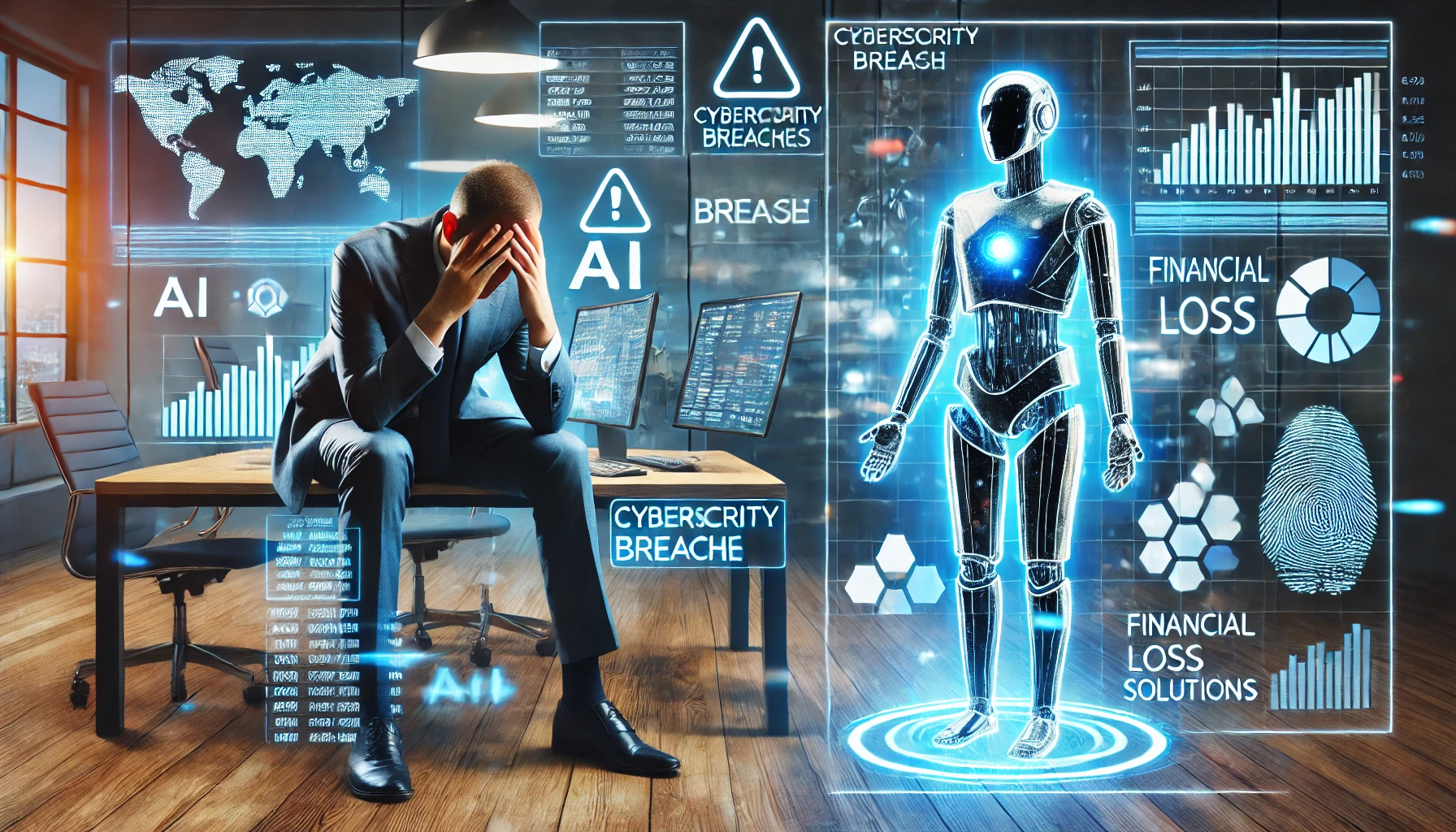
The hidden costs of poor IT decisions are not always immediately apparent. Issues such as increased downtime, cybersecurity breaches, lost productivity, compliance failures, and excessive maintenance costs accumulate over time, making it harder for businesses to recover.
Fortunately, Artificial Intelligence (AI) is transforming IT decision-making by enabling businesses to predict system failures, automate cybersecurity, enhance cloud management, and optimize IT investments. By leveraging AI-driven IT solutions, companies can avoid common pitfalls, reduce costs, and enhance overall business performance.
This article explores the hidden costs of poor IT decisions and how AI-powered technologies can prevent financial loss, increase efficiency, and optimize IT strategies for long-term success.
1. The Hidden Costs of Poor IT Decisions
Many organizations fail to recognize the true cost of poor IT choices because their impact is not always immediately visible. Below are the most significant hidden costs that businesses face when they fail to plan and implement effective IT strategies.
1.1 Increased Operational Downtime
Operational downtime is one of the biggest hidden costs that result from poor IT planning and decision-making. When IT systems fail unexpectedly, businesses experience disruptions in workflows, financial losses, and reduced customer satisfaction.
- Outdated software and hardware increase the likelihood of system failures, forcing employees to pause operations until the issue is resolved.
- Inadequate IT support and monitoring lead to delayed responses to critical IT failures, prolonging downtime.
- Unreliable IT infrastructure can crash under high demand, preventing teams from accessing critical data and tools.
A study by Gartner estimates that IT downtime costs businesses an average of $5,600 per minute, which translates to over $300,000 per hour for large enterprises. Proactive IT planning and AI-driven system monitoring can help businesses identify and resolve potential failures before they cause major disruptions.
1.2 Cybersecurity Risks & Data Breaches
Failing to make strong cybersecurity decisions is one of the costliest IT mistakes a business can make. When businesses fail to invest in security protocols, threat detection, and employee training, they become vulnerable to hacking, phishing scams, malware, and ransomware attacks.
- Weak security policies and unpatched software expose businesses to cybercriminals who exploit vulnerabilities.
- Lack of AI-powered threat detection makes it harder to detect cyberattacks before they cause significant damage.
- Failure to implement encryption and access control measures increases the likelihood of data theft and regulatory non-compliance fines.
The average cost of a data breach in 2023 was $4.45 million, according to IBM. The financial impact of cyberattacks extends beyond immediate financial losses, as businesses also suffer from brand reputation damage, legal fees, and loss of customer trust. AI-driven security solutions can help organizations detect and prevent cyber threats in real-time, reducing the risk of costly data breaches.
1.3 Hidden Maintenance & IT Support Costs
Many companies try to cut IT costs by opting for cheap or outdated solutions, only to face rising maintenance and IT support expenses over time.
- Frequent system crashes and software glitches require expensive troubleshooting and extended IT support contracts.
- Legacy systems require costly patches and security updates, making them more expensive to maintain than upgrading to modern solutions.
- Poorly integrated software creates inefficiencies that require continuous IT intervention and manual fixes.
Instead of saving money, businesses end up spending more due to unexpected repair costs, downtime, and lost productivity. AI-powered predictive maintenance tools can help companies reduce these costs by identifying system failures before they occur.
1.4 Loss of Competitive Edge & Innovation
Businesses that fail to invest in modern IT solutions struggle to keep up with industry trends and evolving customer demands. Slow digital transformation can result in:
- Delayed product launches and inefficient workflows, limiting a company’s ability to scale.
- Inability to integrate automation, cloud computing, and AI, resulting in higher manual labor costs and inefficiencies.
- Missed opportunities for market expansion due to reliance on outdated technology.
Companies that adopt AI-driven IT strategies gain a competitive advantage by increasing operational efficiency, automating workflows, and leveraging data-driven insights to make informed business decisions.
1.5 Poor Employee Productivity & User Frustration
An unreliable IT environment directly affects employee performance, morale, and retention rates.
- Slow, outdated systems hinder productivity, making employees spend more time troubleshooting than working.
- Lack of automation forces employees to handle repetitive tasks manually, increasing workload stress.
- Inconsistent IT support delays issue resolution, leading to frustration and dissatisfaction.
A poor IT experience can increase employee turnover, resulting in higher recruitment, training, and onboarding costs. AI-powered IT management can enhance user experience, automate repetitive tasks, and reduce friction in workflows, ensuring employees can focus on their core responsibilities.
2. How AI Can Prevent Poor IT Decisions & Optimize Business Performance
AI-driven IT solutions provide predictive insights, automation, and intelligent recommendations to help businesses reduce costs, prevent system failures, and enhance cybersecurity.
2.1 AI-Powered Predictive Analytics for Better Decision-Making
AI-powered predictive analytics helps businesses make smarter IT investments by analyzing system performance, usage trends, and security risks.
- Identifies outdated systems before they cause performance issues.
- Detects cybersecurity vulnerabilities before they become major threats.
- Recommends IT investments based on data-driven forecasts.
By leveraging AI-driven analytics, companies can avoid costly IT mistakes, optimize infrastructure, and plan proactive technology upgrades.
2.2 AI for Cybersecurity & Threat Detection
AI-driven cybersecurity solutions help prevent cyberattacks and unauthorized access attempts by analyzing network behavior and detecting anomalies in real-time.
- AI-based intrusion detection systems automatically flag suspicious activity.
- Machine learning algorithms predict and block malware attacks before they spread.
- AI-driven firewalls enhance network security by adapting to new threats.
Using AI-powered real-time security monitoring, businesses can significantly reduce their risk of financial and reputational loss due to cyber threats.
2.3 Automating IT Maintenance & System Upgrades
AI automation reduces IT maintenance costs by automating software updates, system monitoring, and security patch management.
- Self-diagnosing IT systems detect and fix software bugs before users encounter issues.
- Automated patch management keeps software up-to-date with the latest security updates.
- AI-driven IT support bots assist employees with troubleshooting, reducing helpdesk costs.
With AI-driven automation, businesses can increase IT efficiency, lower maintenance costs, and minimize downtime.
2.4 AI for Cloud Optimization & Cost Reduction
AI helps businesses manage cloud resources more effectively, ensuring they only pay for necessary computing power and storage.
- AI analyzes usage patterns and optimizes cloud storage allocation.
- AI-driven autoscaling adjusts cloud resource consumption based on real-time demand.
- Cloud security AI detects potential vulnerabilities, reducing the risk of data leaks.
AI-powered cloud management improves cost efficiency and scalability, helping businesses save on cloud expenses.
Conclusion
Poor IT decisions come with hidden costs that affect business operations, security, and efficiency. However, AI-driven IT solutions prevent costly mistakes by providing predictive insights, automation, and security enhancements.
By leveraging AI-powered cybersecurity, predictive maintenance, and cloud optimization, businesses can reduce IT expenses, improve productivity, and make data-driven decisions that drive long-term success.
As AI continues to evolve, organizations that embrace AI-driven IT decision-making will gain a strategic advantage in security, cost savings, and operational efficiency. Investing in AI-powered IT solutions today can prevent the costly consequences of poor IT decisions tomorrow.
![olive-technologies-logo [2]](https://olivetechnologies.net/wp-content/uploads/2024/10/logo-2.png)